

5 features of marketing automation

Three ways marketing automation can supercharge SEO
September 22, 2020
How Successful Startups Use Marketing Automation
September 22, 20205 features of marketing automation
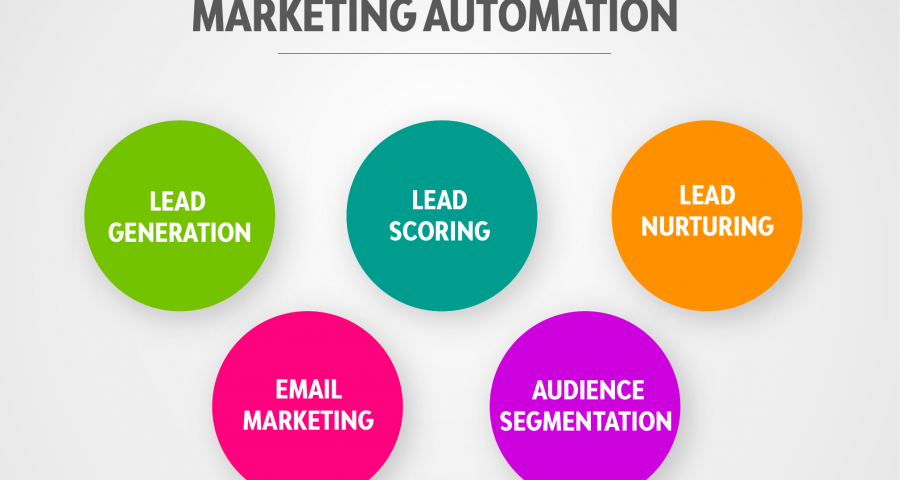
Marketing automation refers to the use of
software and technology to automate all marketing campaigns and activities,
with an end result of increased lead generation. Marketing automation software
automates the entire marketing process, thereby resulting in shorter sales
cycles, increased ROI and improved productivity. The 5 main features of
marketing automation include:
1.
Lead Generation
Lead generation is a type of marketing
process which involves generating and initiating interest amongst customers for
a particular product or service, with the objective of getting more sales. Lead
generation is one of the most important activities in the sales pipeline as hot
leads ultimately result in greater revenue and profits. Marketing automation is
a quick and effective way of lead generation. Using marketing automation tools,
companies can effectively get more leads and prospective customers. A common
way in which marketing automation is used for lead generation is sign-up forms.
Customers fill up a form with their name and email address, to sign up to
receive communication from a company. Email marketing automation is commonly
used to generate more leads. Prospective customers are encouraged to opt-in to
a mailing list, after which emails are sent to pique their interest. Marketing
automation tools are used to track the responses and activities of these
prospective customers (checked out an item, made a purchase, abandoned cart
without purchasing etc). Based on their activities, personalized marketing
campaigns are designed, and further marketing communication is made.
2.
Lead Nurturing
Lead nurturing is one of the most important
features of marketing automation. Not all prospective customers are ready to
complete a sale. Lead nurturing refers to the process of building a long-term
relationship with prospective customers by sending them targeted content, to
ultimately convert them into buying customers. Marketing automation software is
used to build customized marketing campaigns which effectively target and
capture the interests of the prospects. A crucial step in designing these
campaigns is content creation. The content should match the customer persona
and be in line with the customer’s activities, to ensure that it is of interest
to the customer. A common method called drip marketing is used in the lead
nurturing process. Drip marketing is a marketing communication strategy whereby
relevant content is “fed” to the customers via email.
3.
Lead Scoring
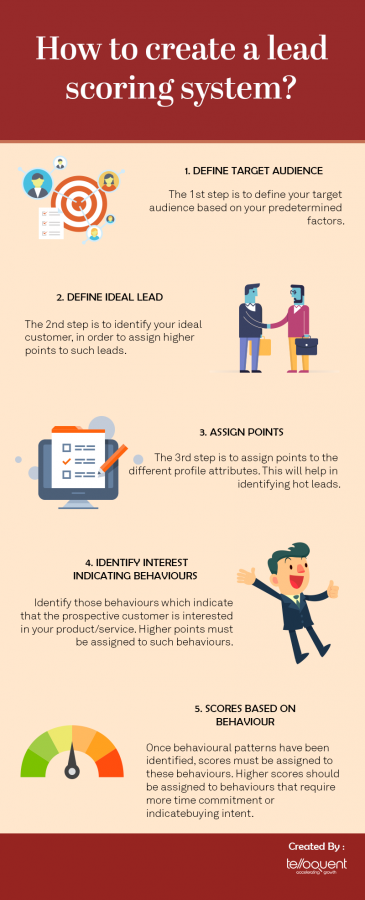
Lead scoring is one of the most useful
features of marketing automation. It refers to a marketing process whereby
available leads and prospects are ranked or given “scores” based on a
points system, to determine which leads are hot and ready for purchase. Marketing
automation software uses a points system to score and rank leads. The
definition of a hot lead varies from company to company. Lead scoring is done
with the help of marketing automation, thereby marking which level of the sales
funnel a customer currently occupies. Once hot leads have been identified via
lead scoring, marketing automation tools alert the sales and marketing teams.
Appropriate action, like sending offer emails to the hot leads, can then be
taken.
4.
Email Marketing
Originally, marketing automation only
included email marketing automation. Email marketing is an important and useful
feature of marketing automation software. Email marketing automation refers to
the process by which relevant and personalized emails are sent to prospects
when they take some action, in order to convert them into paying customers.
Sending mass emails without any relevance will ultimately result in customers
opting out of your mailing list. Email marketing automation ensures that the
emails you send out make sense to the prospects and prompt them to take some
action. For example, if a prospect clicks on a particular product or service on
your website, an email can be sent informing the prospect of some offer on that
product or service. While setting up email marketing automation, time needs to
be spent analysing the audience and designing automated and relevant emails to
be sent out based on actions taken.
5.
Audience Segmentation
Audience segmentation refers to dividing a
large, heterogeneous group into smaller, homogeneous chunks based on certain
predefined factors like demographics, interests, purchasing decision,
psychographics etc. Email marketing would be unsuccessful without proper
audience segmentation and profiling. Marketing automation tools can help in
profiling your target audience. Once segments have been created, relevant and
targeted emails can be sent to these groups with the help of email marketing
automation. Customized email campaigns for particular audience segments result
in higher CTR and conversions. Email marketing automation with audience
segmentation can also help in getting new leads.
Marketing automation includes many features
which can assist in increasing ROI and profits. The above 5 features of
marketing automation are some of the most important elements of marketing
automation software which will definitely result in more hot leads, greater
revenue and more conversions.
The post 5 features of marketing automation appeared first on Telloquent.